• Who Owns AI Art? The Shocking Story Behind Tung Tung Tung Sahur Lawsuitm

    Who Owns AI Art? The Shocking Story Behind Tung Tung Tung Sahur Lawsuitm

    Can you own something you didn’t actually draw?

    That question has reached a US court because of a meme — Tung Tung Tung Sahur.

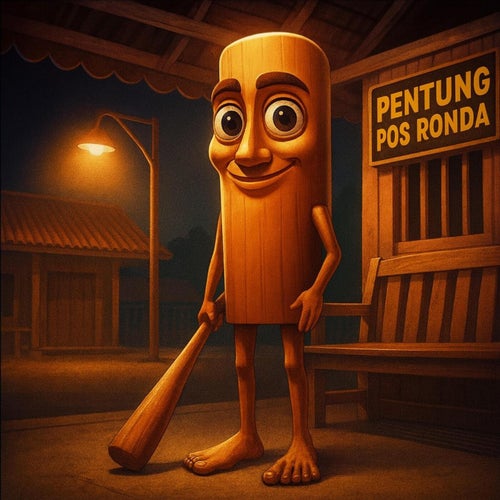
    If you are on Instagram Reels or TikTok, you know him: a wooden totem-like character with human legs, big eyes, and a deep Italian voice saying “Tung Tung Tung Tung Sahur.” It’s part of the viral “Italian Brainrot” universe — a collection of absurd AI characters like Ballerina Cappuccina and Tralalero Tralala that got billions of views in 2025-2026.

    Now, the creator of Tung Tung Tung Sahur has sued two US brands for $1.5 million, claiming they used his character on T-shirts and ads without permission.

    This is the first major lawsuit about Italian Brainrot, and it could decide the future of AI art ownership.

    The Story So Far:

    The character was created in early 2025 by an Indonesian creator using Midjourney + ElevenLabs + CapCut. He never drew it by hand. He typed prompts, generated the image, added the viral Italian brainrot voiceover, and posted it. The video got 140 million views.

    Then brands started printing the character everywhere.

    The creator says: “I spent months making this character consistent and viral. It’s my IP.”

    The brands say: “You didn’t create it. AI did. You can’t copyright AI art.”

    Who is Right According to Current Law?
    As of August 2026, here is what the law says:

    In the US: The US Copyright Office says pure AI-generated images with no human authorship cannot be copyrighted. You need “meaningful human creative control.” Just typing “make a wooden man” is not enough.

    In the EU and India: Similar rules — AI alone can’t be an author. But if you prove significant editing, curation and creative choices, you might get protection.

    The Tung Tung Tung Sahur case is different because the creator did not just generate one image. He created 200+ variations, fixed the face, wrote a backstory, voiced it, and made it a series. His lawyers argue that is human authorship.

    Why This Matters For You as a Blogger or Creator
    If you use AI images on your blog, YouTube thumbnails, or Instagram — this case will affect you:

    1. If you just generate and post, you likely don’t own it. Anyone can reuse it.
    2. If you heavily edit, remix, and add original story/voice, you have a stronger claim.
    3. Brands are now asking creators for “prompt history and editing proof” before buying AI art.

    What E,xperts Are Saying:


    “Italian Brainrot was funny until it went to court. This lawsuit will force Instagram and TikTok to add AI ownership tags,” says Sarah Lee, IP lawyer in California.

    Many meme pages have already deleted Tung Tung Tung Sahur merch after the lawsuit notice.

    Final Thoughts
    The Tung Tung Tung Sahur lawsuit is not about a funny wooden meme anymore. It’s about the biggest question of the AI era: If AI makes it, but you made it viral, who owns it?

    For now, the safest rule for creators: Treat AI as a co-pilot, not the pilot. Add your own creativity, editing and story — don’t just copy-paste AI output.

    What do you think — should AI art be owned? Comment your thoughts.

    Disclaimer: This article is for information only, not legal advice.

Category: AI Video

Can you own something you didn’t actually draw?

That question has reached a US court because of a meme — Tung Tung Tung Sahur.

If you are on Instagram Reels or TikTok, you know him: a wooden totem-like character with human legs, big eyes, and a deep Italian voice saying “Tung Tung Tung Tung Sahur.” It’s part of the viral “Italian Brainrot” universe — a collection of absurd AI characters like Ballerina Cappuccina and Tralalero Tralala that got billions of views in 2025-2026.

Now, the creator of Tung Tung Tung Sahur has sued two US brands for $1.5 million, claiming they used his character on T-shirts and ads without permission.

This is the first major lawsuit about Italian Brainrot, and it could decide the future of AI art ownership.

The Story So Far:

The character was created in early 2025 by an Indonesian creator using Midjourney + ElevenLabs + CapCut. He never drew it by hand. He typed prompts, generated the image, added the viral Italian brainrot voiceover, and posted it. The video got 140 million views.

Then brands started printing the character everywhere.

The creator says: “I spent months making this character consistent and viral. It’s my IP.”

The brands say: “You didn’t create it. AI did. You can’t copyright AI art.”

Who is Right According to Current Law?
As of August 2026, here is what the law says:

In the US: The US Copyright Office says pure AI-generated images with no human authorship cannot be copyrighted. You need “meaningful human creative control.” Just typing “make a wooden man” is not enough.

In the EU and India: Similar rules — AI alone can’t be an author. But if you prove significant editing, curation and creative choices, you might get protection.

The Tung Tung Tung Sahur case is different because the creator did not just generate one image. He created 200+ variations, fixed the face, wrote a backstory, voiced it, and made it a series. His lawyers argue that is human authorship.

Why This Matters For You as a Blogger or Creator
If you use AI images on your blog, YouTube thumbnails, or Instagram — this case will affect you:

  1. If you just generate and post, you likely don’t own it. Anyone can reuse it.
  2. If you heavily edit, remix, and add original story/voice, you have a stronger claim.
  3. Brands are now asking creators for “prompt history and editing proof” before buying AI art.

What E,xperts Are Saying:


“Italian Brainrot was funny until it went to court. This lawsuit will force Instagram and TikTok to add AI ownership tags,” says Sarah Lee, IP lawyer in California.

Many meme pages have already deleted Tung Tung Tung Sahur merch after the lawsuit notice.

Final Thoughts
The Tung Tung Tung Sahur lawsuit is not about a funny wooden meme anymore. It’s about the biggest question of the AI era: If AI makes it, but you made it viral, who owns it?

For now, the safest rule for creators: Treat AI as a co-pilot, not the pilot. Add your own creativity, editing and story — don’t just copy-paste AI output.

What do you think — should AI art be owned? Comment your thoughts.

Disclaimer: This article is for information only, not legal advice.